
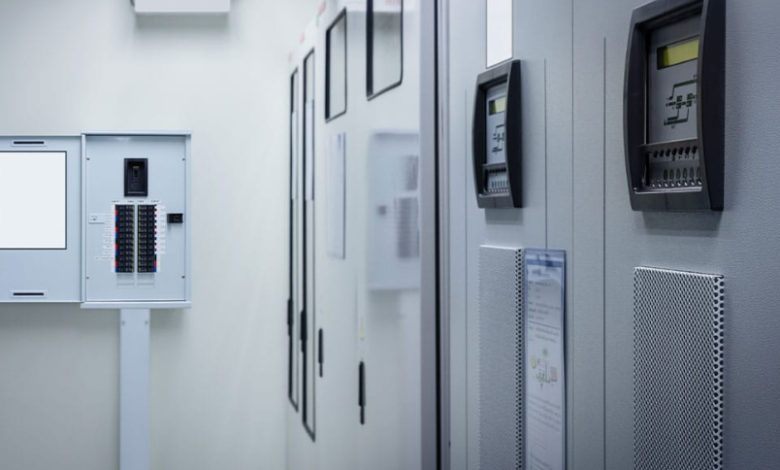
In today’s fast-paced digital world, a sudden power outage can disrupt businesses, damage sensitive equipment, and result in significant data loss. This is where an uninterruptible power supply (UPS) becomes indispensable. Acting as a backup power source, a UPS ensures that your devices continue operating seamlessly even when the main power supply fails. This article explores the functions, types, benefits, and considerations of uninterruptible power supply systems, helping you understand why they are essential for both homes and businesses.
What is an Uninterruptible Power Supply?
An uninterruptible power supply is an electrical device that provides emergency power to a load when the main power source fails. It differs from a standard backup generator in that it provides instant power without any delay, preventing system downtime and equipment damage. Essentially, a UPS acts as a bridge between the main power source and your electronic devices, delivering clean and consistent electricity even during fluctuations, blackouts, or voltage sags.
See also: How to Reduce Heat Loss and Lower Utility Bills with the Right Windows


How Does an Uninterruptible Power Supply Work?
A UPS works by storing energy in internal batteries or capacitors and releasing it when necessary. Most UPS systems operate using the following steps:
- Power Monitoring: The UPS constantly monitors the incoming electrical supply for irregularities.
- Energy Storage: During normal operation, the device charges its internal battery system.
- Power Delivery: When a power interruption occurs, the UPS immediately switches to battery mode, supplying uninterrupted power to connected devices.
- Voltage Regulation: Some UPS models also stabilize voltage fluctuations, protecting equipment from surges or dips.
This continuous operation ensures critical systems like servers, medical equipment, and industrial machinery remain functional during power disturbances.
Types of Uninterruptible Power Supply
Understanding the different types of UPS systems can help you choose the right solution for your needs:
- Standby UPS: The most basic type, which switches to battery power during an outage. Ideal for home offices or small devices.
- Line-Interactive UPS: Provides automatic voltage regulation along with battery backup. Suitable for small to medium-sized businesses.
- Online UPS: Offers continuous power from the inverter, with zero transfer time. Best for mission-critical applications such as data centers and hospitals.
Each type has unique features and price points, so selecting the right UPS depends on your specific requirements, including power load, runtime, and sensitivity of equipment.
Benefits of Using an Uninterruptible Power Supply
Investing in a UPS offers multiple advantages:
- Prevents Data Loss: Protects computers, servers, and network systems from unexpected shutdowns.
- Protects Equipment: Safeguards against voltage fluctuations, spikes, and surges.
- Ensures Business Continuity: Minimizes downtime during power interruptions, maintaining productivity.
- Extends Equipment Life: By providing stable power, a UPS reduces stress on electronic devices.
- Peace of Mind: Users can continue operations without worrying about sudden power failures.
Choosing the Right Uninterruptible Power Supply
When selecting a UPS, consider the following factors:
- Power Requirements: Calculate the total wattage of devices you want to protect.
- Runtime: Determine how long you need the UPS to power your equipment during an outage.
- Type of UPS: Match your needs with the appropriate type—standby, line-interactive, or online.
- Battery Life and Maintenance: Check battery replacement schedules and maintenance requirements.
- Form Factor: Decide between tower, rack-mounted, or modular UPS depending on space and installation preferences.
Properly evaluating these factors ensures you invest in a UPS system that meets both current and future power protection needs.
Common Applications of Uninterruptible Power Supply
- Data Centers: Ensures continuous operation of servers and networking equipment.
- Medical Facilities: Keeps life-saving equipment functional during power outages.
- Industrial Equipment: Prevents machinery downtime and protects sensitive electronics.
- Home Offices: Safeguards personal computers, modems, and routers from data loss.
- Telecommunication Systems: Maintains uninterrupted connectivity during power disruptions.
FAQs About Uninterruptible Power Supply
Q1: How long can a UPS provide power?
A UPS typically provides power from a few minutes to several hours, depending on its battery capacity and connected load.
Q2: Can a UPS replace a generator?
No, a UPS is designed for short-term power backup, while a generator provides long-term power during extended outages.
Q3: How often should UPS batteries be replaced?
Most UPS batteries last 3–5 years. Regular maintenance and monitoring can help extend battery life.
Q4: Does a UPS protect against all power issues?
A UPS protects against outages and minor voltage fluctuations but may not handle extreme surges or lightning strikes unless combined with surge protection.
Q5: Can I connect a printer or non-critical device to a UPS?
Yes, but it’s better to connect only essential devices to maximize battery runtime during an outage.
Conclusion
An uninterruptible power supply is no longer a luxury—it’s a necessity in today’s technology-driven environment. From protecting sensitive electronics to ensuring uninterrupted business operations, a UPS offers both security and peace of mind. By understanding its types, benefits, and applications, you can make an informed choice to safeguard your equipment and data. Whether for a home office, hospital, or industrial facility, investing in a reliable UPS ensures that sudden power failures do not disrupt your productivity or compromise your critical systems.